Architectural Design Expertise: Building Spaces That Motivate and Deliver
Architectural design services are essential for creating spaces that seamlessly blend inspiration with functionality. By addressing user needs and the intended purpose of each area, architects craft innovative layouts that enhance both flow and accessibility. Their focus on aesthetics and sustainability guarantees designs meet modern environmental standards. Nevertheless, the key difficulty rests in harmonizing creativity with practical considerations. What strategies do architects employ to achieve this harmony? The response may uncover profound perspectives on the field.
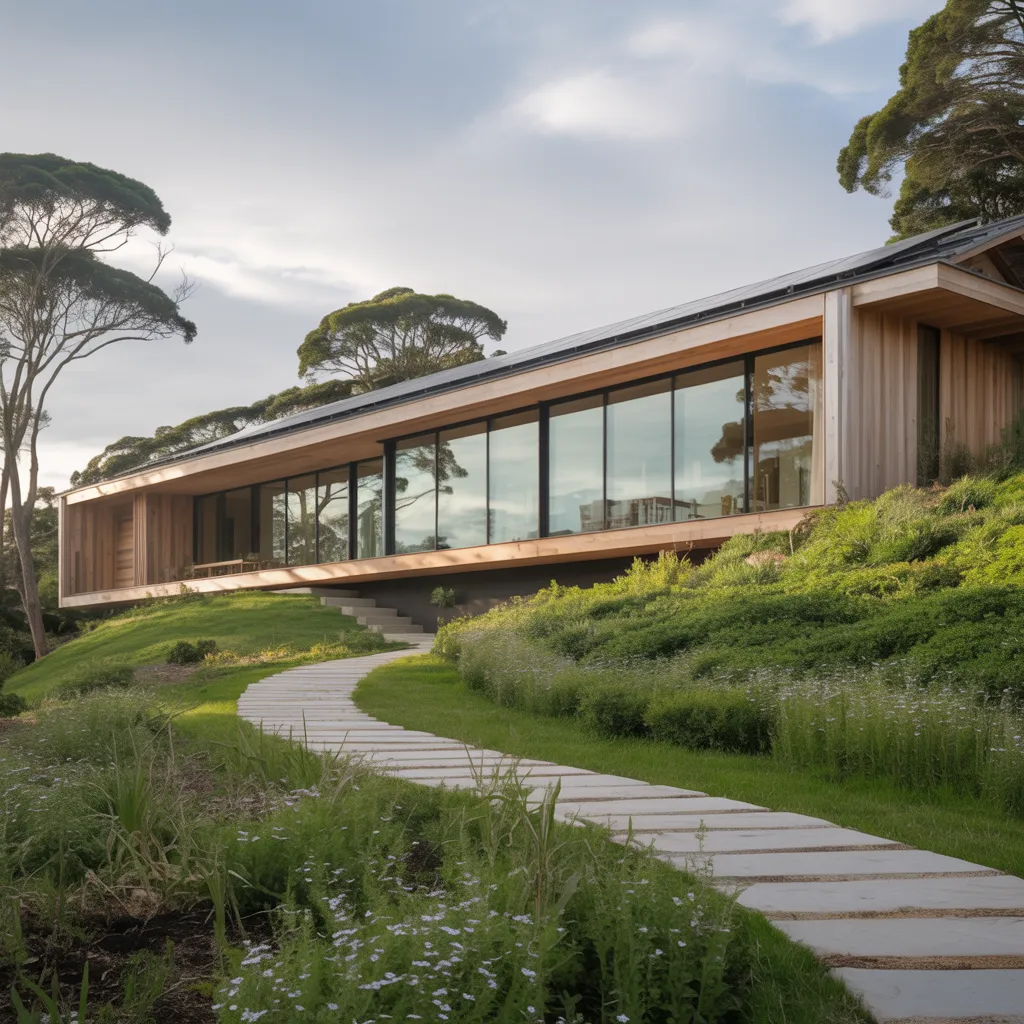
The Importance of Architects in Improving Space Functionality
Architects reshape environments by meticulously analyzing how functionality can be enhanced through design. Their main goal centers on identifying the needs of occupants and the defined uses of an area. By engaging in thorough assessments, architects identify potential challenges and opportunities within environments. They assess aspects like flow, accessibility, and spatial relationships to develop designs that maximize productivity.
Leveraging cutting-edge methods and resources, architectural professionals integrate innovative solutions that maximize space usage. This involves the deliberate placement of walls, furniture, and pathways to facilitate flow and engagement. Furthermore, they customize plans to support various activities, ensuring that each area serves its intended function effectively.
Engagement with clients and project stakeholders continues to guide design choices, allowing architecture professionals to tailor approaches that align with user requirements. Ultimately, their knowledge not only elevates the practical elements of a setting but also promotes a productive and harmonious atmosphere.
How Does Visual Design Shape the User Experience?
Aesthetic design serves a vital role in shaping how users experience a space, supporting the practical elements developed through careful architectural planning. It determines how individuals perceive and interact with a space, inspiring feelings that can improve overall satisfaction. A carefully developed aesthetic can foster an inviting environment, encouraging users to engage more deeply with their surroundings.
Components like texture, color, and form combine to establish visual harmony, cultivating a perception of warmth and inclusion. As an illustration, open spaces and natural light can promote a perception of serenity, while striking tones may stimulate and spark innovation. Additionally, a visually appealing design can enhance brand identity, ensuring spaces leave lasting impressions that draw visitors back.
Ultimately, the incorporation of aesthetic principles not only enhances the visual appeal but also profoundly influences people's emotional and psychological responses, reinforcing the fundamental relationship between visual appeal and usability in architectural design.
Adopting Sustainable Practices in Architecture
Incorporating sustainability in architecture is essential for addressing environmental challenges. This includes the thoughtful selection of sustainable materials, the implementation of energy-efficient design practices, and the pursuit of green building certifications. These components not only strengthen the environmental profile of a project but also promote long-term economic resilience.
Green Materials Selection
With the increasing demand for groundbreaking architectural concepts, the choice of sustainable materials has become critical in minimizing the impact on the environment. More and more architects are prioritizing materials that are locally sourced, renewable, and recyclable. This method not only decreases the transportation-related carbon footprint but also supports local economies. Materials such as bamboo, salvaged timber, and recycled metals are rising in demand for their long-lasting nature and visual appeal. Additionally, the application of low-VOC coatings and finishes promotes a safer indoor air environment. By integrating sustainable materials into their designs, architects can design environments that are both functional and uplifting but also ecologically sound, encouraging a culture of environmental responsibility in architectural development.
Sustainable Design Techniques
The integration of sustainable materials effectively enhances sustainable design methods in architectural planning. Such methods prioritize reducing energy consumption while promoting a more comfortable environment for occupants. Architects frequently highlight passive solar strategies, optimizing natural light and airflow to reduce dependence on mechanical systems. The careful arrangement of windows, shading features, and thermal mass can significantly reduce heating and cooling demands. Moreover, incorporating high-performance insulation and energy-efficient HVAC systems ensures buildings sustain optimal temperatures with reduced energy consumption. Utilizing renewable energy sources, such as solar panels, further strengthens a building's environmental performance. At its core, sustainable design approaches not only lessen environmental impact but also promote long-term cost savings, responding to the rising interest in thoughtful and progressive design solutions.
Green Building Certifications
As sustainable architecture continues to gain momentum, green building certifications have established themselves as key benchmarks for measuring environmental impact. These certifications, such as LEED, BREEAM, and the Living Building Challenge, provide structured frameworks for appraising energy efficiency, water conservation, and materials sustainability. They motivate architects to implement cutting-edge design approaches that limit environmental impact while promoting occupant well-being. By fulfilling demanding requirements, projects not only attain recognition but also establish a competitive position in the market. Furthermore, green certifications often lead to long-term cost savings through reduced energy consumption and operational efficiency. In the end, these certifications act as a foundational guide for architects striving to design spaces that are both practical and environmentally responsible, promoting a more sustainable future in the built environment.
How to Transform Your Architectural Ideas Into Reality
Bringing architectural visions to life requires a systematic approach that blends creativity with technical expertise. The opening stage focuses on extensive research and ideation, as architects collect ideas from multiple sources, encompassing the natural world, cultural elements, and modern technology. This phase often includes sketches and digital models to visualize the concepts.
Subsequently, partnering with engineers, contractors, and stakeholders is essential to ensure feasibility and refine ideas. Developing thorough blueprints and technical specifications enables precise execution during the construction phase. Architects must also address zoning laws and building codes, assuring conformity with applicable regulations.
Throughout the process, clear communication is vital. Consistent updates and feedback cycles among all stakeholders promote alignment and resolve potential challenges proactively. Ultimately, the construction phase transforms the vision into reality, demanding continuous supervision to preserve design integrity. Through the combination of creativity and structured approaches, architects are able to effectively convert their innovative concepts into functional and inspiring environments.
How to Achieve Balance Between Creativity and Functionality in Architectural Design
Achieving a balance between creativity and functionality in architectural design necessitates a precise blending of aesthetic appeal and practical utility. Architects need to develop creative approaches that optimize space while keeping the design visually compelling. This balance is crucial for producing structures that are not only visually stunning but also fulfill their intended function efficiently.
Blending Form and Function
Achieving harmony between artistic beauty and practical use is fundamental in the field of architecture. Designers must consider how design features can improve usability while guaranteeing that spaces fulfill their designated functions. This balance requires a deliberate strategy, combining textures, hues, and shapes that align with the surroundings and occupant requirements.
Essential functional aspects, such as sustainability, accessibility, and layout, should guide aesthetic choices, preventing form from overshadowing function. Furthermore, productive partnerships with clients and key stakeholders helps architects balance imaginative designs with functional necessities. By balancing aesthetics with practicality, architects create spaces that inspire while accommodating the demands of daily life. In the end, outstanding architectural achievement stems from a perfect marriage of artistic intent and structural purpose, yielding surroundings that are as inspiring as they are practical.
Innovative Solutions for Space
Within the realm of architectural design, innovative solutions for space prove to be a fundamental component in harmonizing creativity with functionality. Successful design demands a keen understanding of occupant preferences and contextual surroundings, enabling architects to craft spaces that are both inspiring and practical. By incorporating modern innovations, green materials, and versatile arrangements, designers can optimize space usage while enhancing aesthetic appeal. Partnerships with clients and diverse professional groups consistently confirm that varied viewpoints shape well-considered outcomes. Such harmony not only enhances the occupant experience but also fosters a deeper connection between the built environment and its inhabitants. At its core, the craft of architectural design resides in its power to convert ideas into concrete, practical spaces.
Modern Trends in Architectural Design Services
Recent advancements in innovation and sustainability are redefining the direction of architectural practices. Design professionals are embedding intelligent systems into their projects, utilizing automation and data analytics to improve performance and efficiency. BIM technology has emerged as an industry standard, enabling accurate visualization and seamless collaboration throughout the project lifecycle.
Green design methodologies are steadily rising in importance, with designers emphasizing the use of energy-saving materials and sustainable energy solutions. The shift toward biophilic design underscores the bond between natural elements and architectural structures, supporting overall wellness and increased performance.
Moreover, flexible and adaptive spaces are in demand, catering to evolving needs and modern lifestyles. The increasing adoption of remote work has transformed residential and commercial architectural approaches, resulting in multifunctional environments that balance comfort with practicality. Taken together, these trends underscore a strong commitment to innovative, sustainable, and user-focused design in present-day architectural endeavors.
Choosing the Right Architectural Service for Your Needs
Given the increasing focus on cutting-edge and eco-conscious design approaches, selecting the right architectural service has become increasingly important for clients. This decision significantly influences the functionality, visual appeal, and general outcome of a project. Clients should first assess their specific needs, whether residential, commercial, or institutional. Comprehending the scale of the project enables stronger compatibility with architectural firms that focus on those domains.
Next, reviewing the agency's body of work is crucial. A diverse range of completed projects can demonstrate creative versatility. It is also vital to factor in the company's approach to sustainability, as eco-friendly practices are becoming a standard expectation.
Additionally, communication style and responsiveness should not be overlooked. Maintaining a collaborative relationship often leads to more favorable results. Finally, reviewing client testimonials and seeking recommendations can provide valuable insights into the reliability and quality of service, allowing clients to make well-informed decisions that are suited to their specific needs.
Questions We Often Receive
What Credentials Should I Seek in an Architect?
When looking for an architect, it is important to prioritize essential criteria such as a related academic degree, valid licensure, hands-on experience in your desired project categories, excellent communication abilities, innovative thinking, and a portfolio that reflects work aligned with your personal vision.
What Is the Average Timeframe for the Architectural Design Process?
The process of architectural design generally requires several months, influenced by the scope and complexity of the project. Factors such as client feedback, regulatory approvals, and design revisions may significantly impact the total timeline and project completion.
What Are the Standard Project Delivery Methods in Architecture?
Widely used project delivery methods in architecture include Design-Bid-Build, Design-Build, Construction Management at Risk, and Integrated Project Delivery. Every approach provides notable strengths, influencing collaboration, timelines, and overall costs throughout the project's lifecycle.
How Do Architects Handle Zoning and Building Codes?
Architects navigate zoning and building codes through detailed research, cooperation with local authorities, and strict compliance with regulations. They make begin here certain that all designs satisfy legal requirements while balancing functionality and aesthetics to serve the intended purpose of the space.
Do Architects Also Provide Interior Design Services?
Absolutely, architects can support interior design. Their professional background allows them to create cohesive environments that blend functionality and aesthetics, making certain that spaces not only meet structural requirements but also convey the desired style and character.
Comments on “get expert guidance from St. Louis Architectural Design Services”